
What Is Tree Root Infiltration?
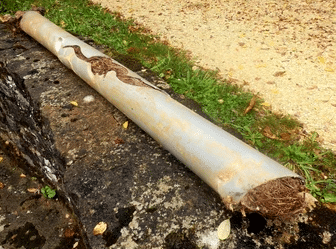
Tree root infiltration occurs when tree roots enter underground pipes through small cracks or joints. Older clay and cast-iron pipes are especially vulnerable, as they often have weak seals or natural wear over time. Roots naturally grow toward moisture sources, making sewer lines, water pipes, and drainage systems prime targets.
Once inside, roots can expand and block the flow of water or waste. This can lead to more severe problems like backups, leaks, or even pipe collapses. The presence of nutrient-rich water and oxygen within these pipes encourages further root growth, worsening the damage.
Signs of Tree Root Infiltration
- Slow Draining or Clogs:
Blocked or slow drains, especially in sinks, tubs, or toilets, often indicate root interference in pipes. These roots block water flow and create recurring clogs that chemical cleaners can’t resolve. - Gurgling Sounds and Odors:
Gurgling sounds in plumbing systems can signal tree roots disrupting water or air movement. This noise usually happens when flushing toilets or running water down affected drains. Foul odors or sewage backups, either frequent or occasional, suggest significant pipe disruption from roots. These issues may also bring bad smells inside homes or in outdoor areas. - Wet Areas and Plant Growth Near Pipes:
Damp patches or wet spots in the yard often point to water leakage caused by root infiltration. Unusually soggy ground near plumbing lines is a strong indicator of this issue. Excessive tree or plant growth near pipes is another sign of root intrusion. Roots from nearby trees spread toward buried pipes, thriving on the moisture and nutrients inside. - Toilet and Drain Problems:
Multiple plumbing-related problems in close proximity, like toilets backing up and drains failing to clear, often stem from tree root infiltration overwhelming a plumbing network.
How to Fix Tree Root Infiltration
Identify the Source of the Problem
Start by scheduling a professional camera inspection. This helps pinpoint the exact spot where roots infiltrated the pipes. Without locating the problem area first, repairs may end up being less effective or misplaced.
Manual Removal of Roots
Specialized tools are used to manually remove roots clogging the pipes. Professionals often use root-cutting devices that slice through the infiltration while preserving the structural integrity of the pipe. For stubborn cases, multiple tools ensure no remaining roots obstruct the flow.
Pipe Repair or Replacement
If manual removal doesn’t resolve the issue or if pipes are heavily damaged, repair or replacement becomes necessary. Trenchless technology, such as pipe bursting or lining, often offers less invasive solutions. With modern materials like PVC, pipes resist future root intrusion better than older clay or cast-iron alternatives.
Root Barriers
Installing root barriers around plumbing systems prevents roots from reaching and penetrating pipes again. These barriers are placed strategically to block root growth toward vulnerable areas. Additionally, planting trees or shrubs further away from plumbing lines minimizes risk over time.
Hydro Jetting
After root removal, hydro-jetting ensures pipes are thoroughly cleaned. High-pressure water clears debris left behind, restoring full pipe function. Hydro-jetting also prepares pipes for repair work or preventive measures like applying chemicals.
Preventive Treatments
Preventive measures like chemical treatments or foaming agents stop roots from regrowing inside pipes. These products kill remaining roots while leaving pipe materials intact. Regular applications can keep the system protected long-term, especially in areas with aggressive tree root growth.
When to Call for Professional Help
Early Signs of Trouble
Call for professional assistance if you notice early signs like slow drains, gurgling sounds, or persistent foul odors. Ignoring these signals can lead to more significant damage, making repairs costlier and more time-consuming.
If DIY solutions like plungers or drain cleaners fail, it’s time to get expert help. Frequent clogs or recurring backups usually indicate a deeper issue, often tied to tree root infiltration. Prolonged attempts with temporary fixes can worsen the problem, leading to pipe collapses or extensive leaks.
Advanced Issues
Advanced issues such as water backups, persistent sewage smells, or visible damage to your plumbing system require immediate professional intervention. These problems often mean that tree roots have caused severe blockages or structural damage to your pipes.
Regular Inspections
Routine plumbing inspections are also necessary, especially if your home has older plumbing systems or mature trees nearby. Professionals can spot early warning signs during inspections, helping prevent tree root infiltration before it turns into a costly repair.
Preventive Measures to Avoid Future Root Infiltration
Tree root infiltration might seem daunting, but it’s manageable with the right approach. Regular maintenance and early detection go a long way in protecting your plumbing and property. Proactive steps like routine inspections, using root barriers, and opting for durable modern piping materials can make all the difference. If you’re dealing with persistent issues or suspect root infiltration, don’t hesitate to call in the experts. Professionals have the tools and expertise to address the problem effectively, saving you time and stress.