
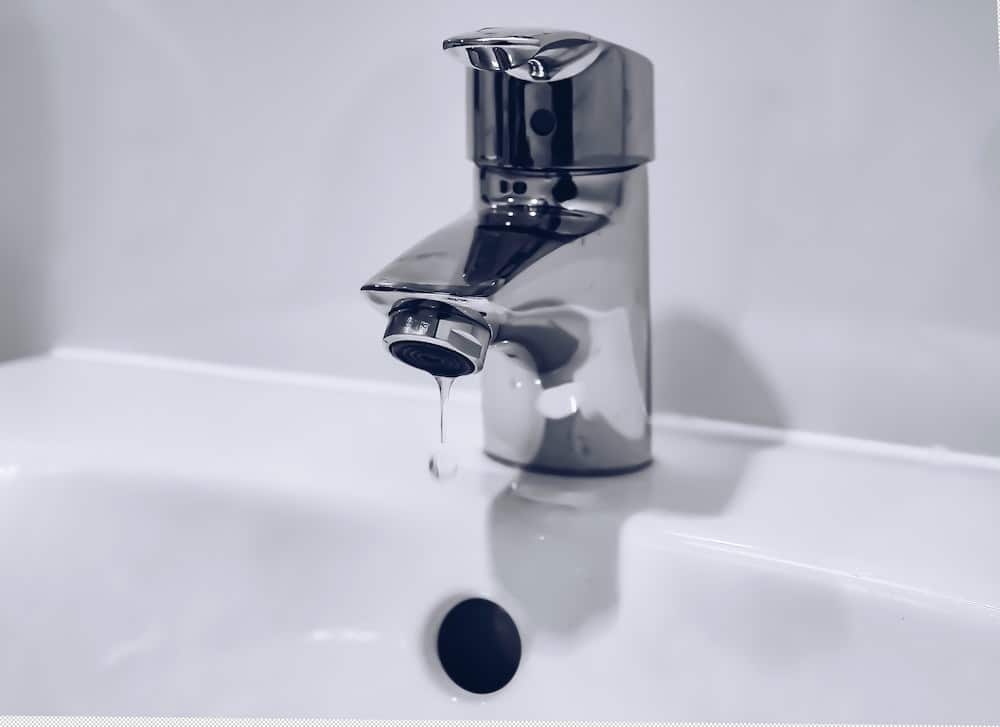
Leaky faucets present a common challenge in homes, with the potential to impact both monthly budgets and the environment. Wasted water from a single faucet may reach hundreds of gallons annually, which contributes to unnecessary water bills and strains local resources.
Certain faucets are particularly prone to leaks, which often occur in both indoor and outdoor settings. For instance, compression faucets—known for their separate hot and cold handles—frequently suffer from worn-out washers. Similarly, cartridge types sometimes develop leaks due to damaged internal components. By understanding which faucets tend to leak more often, homeowners can proactively spot and address issues, often through simple DIY repairs.
Why Fixing a Leaky Faucet is Important
Stopping water wastage is key to conserving resources. A small drip might not seem like much, but it wastes hundreds of gallons annually. Imagine how much that affects water bills. Even a modest increase can add up over months. Addressing a leaky faucet means saving money and being environmentally conscious.
Mitigating cost implications saves homeowners from unnecessary expenses. For instance, an unchecked leak elevates water bills, hurting monthly budgets. Repairing leaks promptly keeps costs in check and allocates finances to more important needs.
Preventing property damage avoids headaches later. Interior faucet leaks wreak havoc on cabinets and walls, leading to mold growth. Mold not only damages property but also poses health risks. Exterior leaks create water pools, undermining foundations and attracting pests. Fixing leaks early helps maintain the home.
How to Identify a Dripping or Leaky Faucet
Recognizing a leaky faucet isn’t always straightforward, but there are clear indicators. Constant dripping from the spout is the most obvious sign. However, sometimes water collects around the faucet or under sinks, which suggests a hidden problem.
When water bills inexplicably increase, it’s often a sign of a hidden leak. Dampness or mold under sinks or in cabinets might also indicate trouble. To proactively find leaks, water leak sensors can be used for areas where visual cues are not present.
Regularly checking indoor and outdoor faucets, particularly after extensive use like washing cars or watering the garden, helps catch leaks early. Taking these steps ensures any leaks are identified and fixed promptly, saving water and reducing costs.
Common Causes of Leaky Faucets
A leaky faucet can often be traced back to a few common culprits. Worn-out washers or seals stand out as one of the most prevalent causes. Compression faucets, in particular, are notorious for this issue. Over time, the constant opening and closing wear down these components, leading to leaks.
High water pressure can also contribute to leaks by exerting excessive stress on faucet components. It’s important to keep in mind that while higher pressure might seem beneficial, it often leads to wear and eventual leaks.
Loose parts or improper installation shouldn’t be overlooked either. Connection points loosen over time and if not secured correctly during installation, it may lead to leaks later on. In places like Brentwood where temperature swings are common, outdoor faucets can suffer from temperature fluctuations. Freezing conditions might cause parts to crack or loosen, ultimately resulting in leaks. It’s wise to check these seasonally to prevent issues.
How to Prevent Faucet Leaks
Regular inspections keep faucet leaks at bay. I check faucet handles, spouts, and connections for wear or looseness. For homes in Brentwood, where hard water’s a common issue, it is recommended to install a water softening system. It prevents mineral buildup that wreaks havoc on faucet components.
Outdoor faucets need extra care in winter. Use faucet covers to ward off freezing and cracking. Disconnecting hoses prevents backflow, ensuring smooth operation. Investing in quality faucets also pays off. Durable options handle daily use and weather changes like a champ.
Long-Term Solutions for Leak Prevention
Taking care of leaky faucets is more than just a quick fix; it’s about setting up your home for long-term efficiency and savings. A professional inspection goes beyond fixing the visible drip. Plumbers or HVAC experts assess the entire plumbing system to identify underlying issues like corroded pipes, damaged seals, or worn-out components that could lead to recurring leaks. Professionals ensure that the repairs are done correctly the first time, using high-quality parts and materials. This not only stops the current leak but also prevents future leaks, reducing long-term repair costs.