
Balancing indoor humidity impacts your comfort, health, energy efficiency, and home structure. Too little humidity can lead to dry skin, irritated airways, and cracked furnishings, while too much moisture encourages mold growth, dust mites, and structural damage. Addressing seasonal fluctuations can protect both your well-being and property.
Humidifiers help by adding moisture to the air, ideal for winter months when heating systems contribute to dryness. Dehumidifiers, on the other hand, reduce excessive moisture, making them suitable for humid conditions like Brentwood summers. Choosing between these devices depends on the climate in your area and specific indoor needs.
What’s the Difference?
Humidifiers and dehumidifiers serve opposite purposes. Humidifiers add moisture to the air, increasing indoor humidity levels. They’re ideal for managing dryness, especially during cold winters when heating systems can deplete indoor moisture.
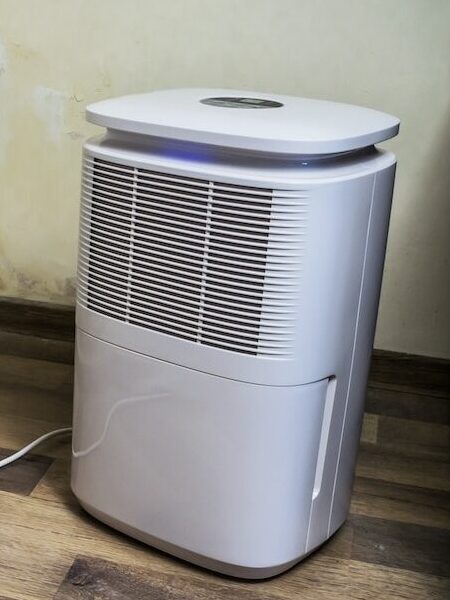
Dehumidifiers, on the other hand, remove excess moisture from the air, reducing humidity levels. These devices are essential in humid environments, such as during hot summers, to prevent issues like mold growth and dust mites.
In Brentwood, for example, the humid summers may require a dehumidifier to maintain a healthy indoor environment, while the cool, dry winters might call for a humidifier to combat dryness. This contrast highlights how their functions complement different seasonal conditions and indoor needs.
Signs You May Need a Humidifier
- Dry, itchy skin or chapped lips often occur when indoor air lacks sufficient moisture. These symptoms become more noticeable in winter when heating systems dry out the air in your home.
- Frequent static shocks can also indicate low indoor humidity. If touching metal surfaces or fabrics results in mild electric shocks, consider using a humidifier to stabilize moisture levels.
- Nosebleeds or intensified allergy symptoms could result from overly dry air. A humidifier helps hydrate nasal passages, reducing irritation and discomfort.
- Cracks in wood flooring or furniture signal a need for added humidity. Excessively dry air causes materials like hardwood to shrink or split, posing risks to the long-term integrity of your home.
- Gaps around doors or crown moldings suggest that low humidity is impacting your home’s structure. In older Brentwood homes with hardwood interiors, these issues may lead to costly repairs if left unaddressed.
Signs You May Need a Dehumidifier
Health and Comfort Clues
Pay attention to musty odors or visible mold in your home. These often indicate excessive moisture, creating a perfect environment for mold growth. Additionally, if your allergies worsen during warm seasons, the high humidity might be promoting mold spores and dust mites, causing discomfort.
Home Clues
Notice condensation forming on your windows regularly. This suggests your indoor air holds too much moisture. Warped or swollen wooden surfaces, including furniture or doors that start sticking, are further signs of high humidity impacting your home’s materials. These issues can lead to costly damage if not addressed promptly.
Unique Insight
Homes in regions with humid climates, like Tennessee, often face challenges with basements and crawl spaces. These areas trap more humidity, which can spread and affect your entire home. Managing this humidity early ensures a healthier living environment and prevents moisture-related problems from escalating.
Unexpected Benefits Beyond Comfort
- Humidifiers reduce the risk of static electricity, which can harm sensitive electronics. By adding moisture to the air, they lower the chances of static buildup, protecting your devices.
- Using a humidifier can also make you feel warmer even at lower thermostat settings. Moisturized air retains heat better, potentially lowering heating bills during winter months.
- Dehumidifiers lessen the strain on your air conditioning system in summer. By removing excess moisture, they allow your AC to cool the air faster and operate more efficiently.
- A whole-home humidity control system connected to your HVAC offers energy efficiency beyond portable units. This centralized solution manages humidity levels across your entire home, eliminating the need for multiple devices.
Why Sometimes You May Need Both
Seasonal changes and varying indoor conditions often create a need for both a humidifier and a dehumidifier throughout the year. During winter, indoor air can become excessively dry, especially in heated spaces, often dropping below 30% relative humidity (RH). A humidifier ensures moisture levels remain balanced, preventing dry skin, respiratory discomfort, and damage to wood furnishings.
Conversely, summer can bring higher RH levels, often exceeding 50-55%, particularly in humid climates like Brentwood. These conditions can foster mold, musty odors, and even structural issues. A dehumidifier effectively reduces excess moisture, safeguarding your home and health.
Some homes experience both extremes, depending on the season. For example, Brentwood’s climate creates dry indoor air in the winter and high humidity in the summer, requiring year-round management. Smart systems with integrated humidifiers and dehumidifiers adapt to these changes automatically, maintaining ideal humidity levels without constant monitoring.
To monitor indoor air effectively, consider using a smart hygrometer. This device provides real-time RH measurements, helping you decide when to activate a humidifier or dehumidifier. For instance, if RH drops below 30%, a humidifier becomes necessary, whereas readings above 50-55% call for a dehumidifier.
Choosing the Right Solution for Your Brentwood Home
Selecting between a humidifier and a dehumidifier depends on your home’s specific needs and Brentwood’s seasonal humidity variations. In winter, heating systems can make indoor air uncomfortably dry, especially in bedrooms. Adding a humidifier can prevent dryness-related issues like irritated skin or nosebleeds. During Brentwood’s humid summers, basements and crawl spaces often trap excess moisture. A dehumidifier can address problems like mold growth or musty odors, ensuring a healthier environment.
Tight homes with upgraded insulation or air-sealing often trap humidity, which may necessitate reassessing your humidity control solutions. If recent renovations increased your home’s insulation, a dehumidifier might be more useful in summer, while a humidifier may be essential in winter. Homes with older construction or less air-sealing might require different setups or even a combination of solutions to address varying conditions across spaces.
For year-round balance, consider installing a whole-home humidity control system integrated with your HVAC. These systems provide consistent regulation without requiring multiple portable devices. If you prefer room-specific adjustments, pairing devices like a humidifier upstairs and a dehumidifier downstairs lets you target problem areas based on seasonal changes.
Monitoring indoor humidity levels using a hygrometer can help you decide when intervention is needed. For most homes, maintaining 30-50% relative humidity ensures comfort, preserves structural integrity, and protects furnishings. Matching your devices to your home’s unique layout and seasonal demands ensures efficient and effective humidity control.
When to Call a Professional
If managing indoor humidity feels overwhelming or you’re unsure about the best solution for your home, it’s a good idea to reach out to a professional. They can assess your specific needs, recommend the right devices, and even help with installation or maintenance.
Whether you’re dealing with persistent dryness, excessive moisture, or fluctuating seasonal conditions, an expert can ensure your home stays comfortable and protected year-round. Don’t hesitate to seek guidance—it’s a small step that can make a big difference for your health, home, and overall peace of mind.