
Airflow directly impacts comfort, energy efficiency, and indoor air quality in your home. Poor circulation leads to stagnant air, putting strain on cooling or heating systems and driving up utility costs. Proper ventilation helps distribute conditioned air evenly, reducing hot and cold spots while improving overall air quality. Clean air circulation also removes indoor pollutants, allergens, and odors, creating a healthier environment. Prioritizing airflow improvements ensures a comfortable, energy-efficient, and fresh living space for you and your family.
Signs of Poor Airflow in the Home
- Uneven temperatures across rooms
Airflow issues often result in temperature differences between rooms. For example, one room might feel uncomfortably warm while another stays too cold, even with moderate thermostat settings.
- Whistling vents or pressure noises
Vents making whistling or other pressure-related noises signal restricted air movement. Blockages or imbalanced ductwork are common causes of this issue.
- Doors that slam shut or don’t stay open
Poor ventilation can create pressure imbalances, causing doors to either slam shut or resist staying open.
- Weak air from registers
Minimal airflow from registers, despite the HVAC system running, is a clear indication of restricted ductwork or a clogged air filter.
- High energy bills despite moderate thermostat use
When airflow is inadequate, your system works harder to maintain desired temperatures, leading to increased energy usage and higher bills.
- Increased dust accumulation or stale odors
Dust settling more rapidly or lingering odors can stem from poor airflow, which prevents the proper circulation of fresh, clean air through your home.
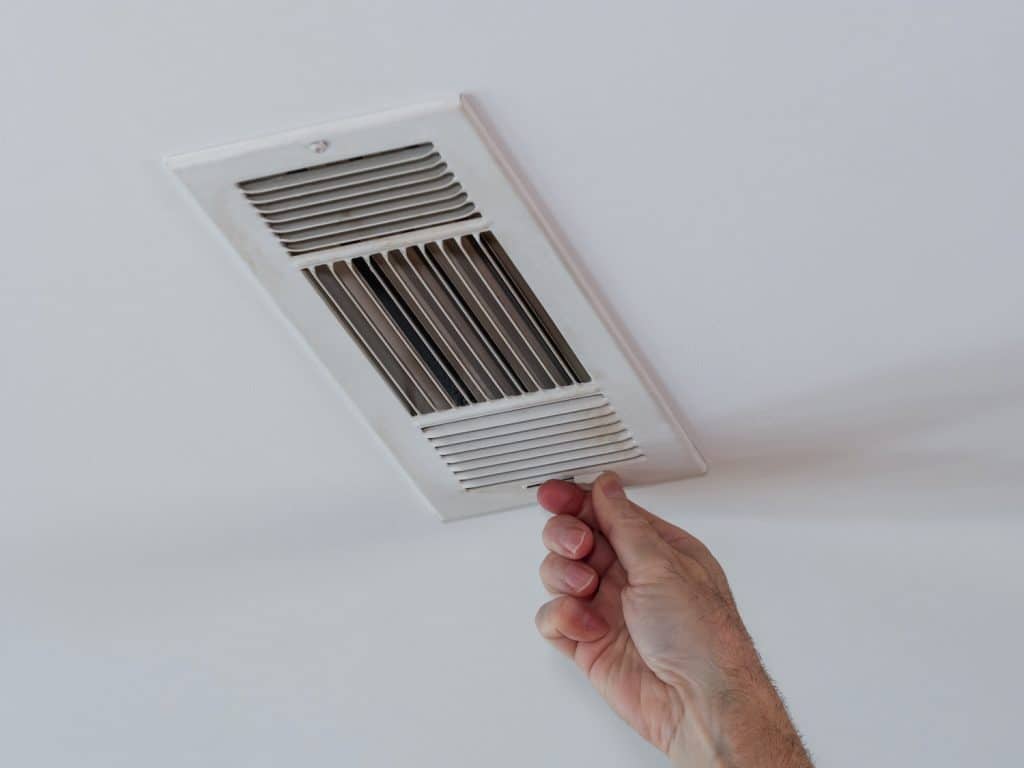
10 Proven Ways to Improve Airflow in Your Home
Unblock and Clean All Supply and Return Vents
Ensure furniture, drapes, and rugs don’t block vents to maintain proper airflow. Vacuum vents monthly to prevent dust accumulation that restricts air movement. This simple habit minimizes buildup and keeps air flowing efficiently.
Inspect and Replace Dirty Air Filters
Check air filters monthly, especially during Brentwood’s allergy season in spring and fall. Dirty filters impede airflow and lower air quality. Consider high-efficiency filters rated MERV 11-13 to balance filtration with optimal air circulation.
Use Zoning Systems for Better Control
Zoning systems with dampers and thermostats help regulate airflow and temperature in larger or multi-story homes. These systems allow you to tailor airflow needs per area, enhancing comfort and energy efficiency.
Seal Leaky Ductwork
Up to 30% of air escapes through gaps in ductwork. Seal leaks using technologies like Aeroseal, which distributes sealing compound throughout the system, offering better results than traditional tape or insulation. This method reduces loss and improves airflow.
Install Booster Fans or Inline Duct Fans
Boost airflow in challenging areas, such as bonus rooms or basements, by installing booster fans or inline duct fans. These devices ensure proper circulation in spaces far from the HVAC unit.
Balance the System: Adjust Dampers Seasonally
Seasonally adjust your duct system’s dampers to balance airflow. For example, partially close downstairs dampers in summer to redirect cool air upstairs, and open them fully in winter for even heat distribution.
Upgrade to a Variable-Speed HVAC System
Variable-speed HVAC systems automatically adjust the fan speed to meet airflow demands more efficiently than traditional single-speed systems. This upgrade improves circulation and maintains consistent indoor comfort.
Ceiling Fans and Whole-House Fans
Ceiling fans improve air circulation year-round. Use them clockwise in winter to recirculate warm air and counterclockwise in summer for cooling. Whole-house fans help ventilate homes without central air, releasing trapped heat from attics.
Professional Duct Cleaning
Older homes in Brentwood often have ducts clogged with debris or construction dust. Regular professional duct cleaning restores airflow, reduces allergens, and enhances system efficiency.
Home Design Considerations
Doors that block return airflow impede circulation. Fix this by installing transfer grilles or jump ducts, or ensure doors have adequate undercuts for seamless air movement. Focus on layout adjustments to maintain proper ventilation throughout your home.
When to Call a Professional
Certain signs indicate that professional assistance is necessary to address airflow problems effectively. Persistent issues or visible damage often require expert evaluation and repair.
- Hot or Cold Spots That Persist
Consistent temperature variations in specific rooms, despite using recommended DIY fixes, point to deeper system issues. Professionals can assess and address these uneven airflow patterns.
- Unexplained High Energy Bills
If energy costs remain high without significant increase in usage or thermostat adjustments, your HVAC system may be working harder due to duct leaks or restricted airflow. Experts can identify inefficiencies and recommend repairs.
- Visible Duct Damage
Cracks, gaps, or disconnected sections in the duct system often go unnoticed. If any part of your ductwork appears damaged or you see dust plumes near vents, contacting a professional ensures proper sealing and reassembly.
- Stubborn Weak Airflow
When airflow remains poor from certain vents, even after cleaning and filter replacement, the issue could stem from clogged ducts or improper system design. Technicians can pinpoint and resolve the underlying problems.
- Comprehensive Airflow Assessments
Professionals offer detailed airflow analyses and home comfort consultations. These services identify hidden factors limiting your system’s efficiency, helping you achieve balanced, comfortable air circulation consistently.
Conclusion
Creating better airflow in your home isn’t just about comfort—it’s about building a healthier, more efficient space for you and your family. Small changes, like keeping vents clear or upgrading your HVAC system, can make a big difference in how your home feels and functions.
Pay attention to the signs of poor airflow and don’t hesitate to bring in a professional if needed. With the right steps, you’ll enjoy fresher air, consistent temperatures, and a home that feels just right all year round.